Leadership
We came together to form an Alliance for building a grassroots movement for better quality at the end of life.
To some, this means having the power to make one’s own life choices, with more understanding, informed consent, and shared decision making around medical treatments. To others, it means better advance care planning, so your wishes and preferences are known and followed when you can no longer speak for yourself. For still others, it means making medical assistance in dying available to terminally ill NH residents who wish to end their suffering.
For all of us, it means more open conversations with those who matter most. It means willingness and confidence to engage in some of the most challenging and profound conversations of our lives. Good talk can help us approach life’s final stages with more clarity, able to make informed choices based on our values and what we consider most important to our quality of life. Good talk can strengthen relationships and help bring meaning, reconciliation, and insight.
Before introducing ourselves, we invite you to share your story. This is one of the most effective things you can do to help advance the cause!
We are a 501c3 organization and members of our Board of Directors and Advisors are profiled below. Building a grassroots, citizen led effort is the work of many hands. We invite you to join us in organizing and implementing this work. Please fill out a quick survey by clicking the link below, “Tell Us Your Interests.” We’ll be able to serve you better, and you’ll see opportunities for getting involved!
Board of Directors

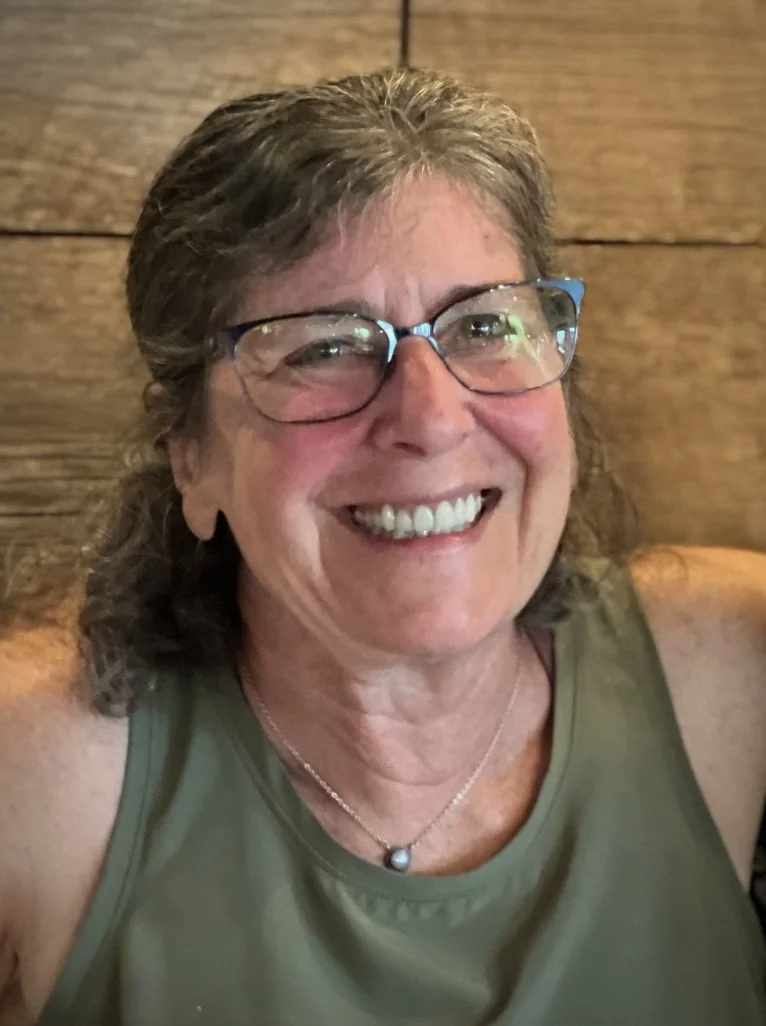
Rebecca Brown
The deaths of her husband and her mother within the last several years bring Rebecca to this work. These very different experiences taught her that how we approach end of life has a profound affect on those around us, as well as on ourselves. She is committed to encouraging people to face death with openness and honesty, so they may live fully. She also knows how challenging this can be.
Rebecca has served NH as a journalist, editor, community activist, two-term state representative, and as founder and director of the Ammonoosuc Conservation Trust, the North Country’s regional, community-based lands conservancy.
Rebecca is certified as an end-of-life doula through the University of Vermont , and earned a certificate in Integrated Thanatology at the New York Open Center. She is an Interfaith Spiritual Counselor, educated through One Spirit in New York. She has served on many nonprofit and civic boards, and has started and operated both nonprofit and for-profit businesses. She is also a NH registered fly fishing guide (www.spiritguides.life) and a mountaineering historian (Women on High, 2002, AMC Books). Rebecca lives in Sugar Hill.
Tom Fencil
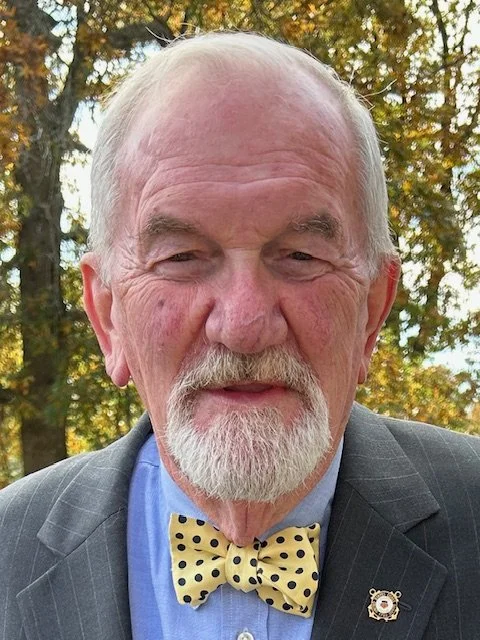
Tom is a long time Hospice volunteer, companioning patients, providing respite for families needing a break, sitting vigils, honoring veterans, and ad hoc-ing when called upon. He grew to understand the limits of advanced medicine and palliative care, leading to his joining in advocating for medical aid in dying in the Granite State.
Each Hospice assignment is akin to a blind date, some grow to become friends. In his experience with Hospice patients/friends only a handful or so have expressed a desire to "end it all." Faced with such a declaration he joined with family members and friends in continuing to care, to listen, to witness, to co-suffer and . . . to mourn.
Tom earned a BA in Art History and MS in Higher Ed Admin. Dean-ing and VP-ing were rewarding, especially since regular contacts with former students, mentors/mentees and generous donors continue. Still interested in being an educator he volunteers in a fourth grade class and at the local Adult Learning Center. Tom lives in Nashua.
Mark Kaplan
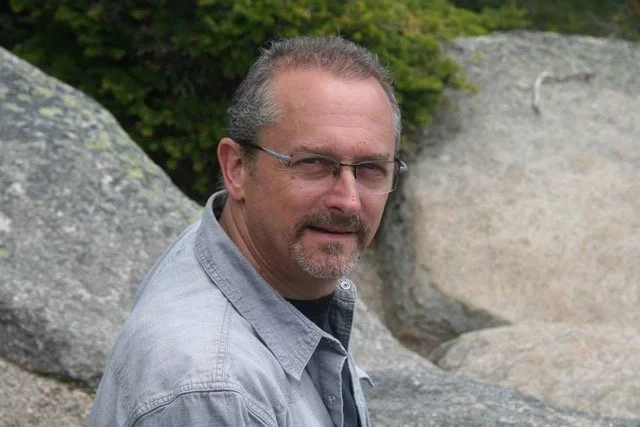
Mark Kaplan is a retired executive with decades of experience across media, finance, and innovation. He began his career as a broadcast journalist before earning a MBA, leading him into business. He spent several years in investment management, before transitioning into social impact venture capital and entrepreneurial ecosystem development.
While living in Maine, Mark served for over a decade at CEI Ventures, investing in mission-driven startups and helping build the state’s innovation economy. After relocating to New Hampshire, Mark led a turnaround of the New Hampshire Innovation and Commercialization Center, creating Alpha Loft, an organization supporting early-stage ventures, university spinouts, and student entrepreneurship. He later served as interim CEO at New Hampshire Public Radio.
Mark’s parents were believers in and supporters of the right to die, which informed his views. When his father became largely incapacitated due to a fall at the age of 92, Mark supported his decision to use VSED to end his life. While Mark had long been carrying an interest in the right to die movement, after his father’s death he sought out and became actively involved with NHAELO. Mark lives in Portsmouth.
Rev. Peter Friedrichs
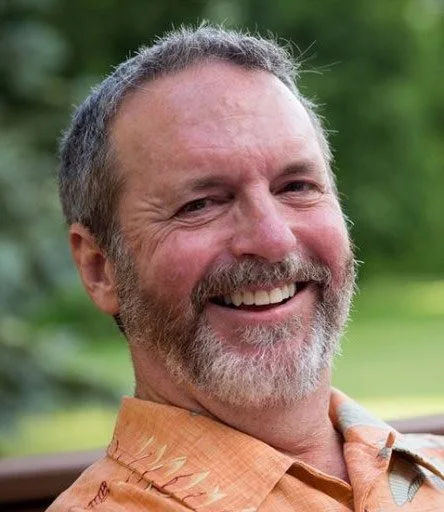
Peter is a recently-retired Unitarian Universalist minister who moved to Keene with his wife Irene in the summer of 2021. Peter practiced law in Portland, Maine for nearly 20 years before heeding his call to ministry. For 16 years he served the Unitarian Universalist Church of Delaware County in Media, Pa. As a minister he has pastored countless individuals facing serious health challenges, many of whom were forced to face end-of-life decisions.
Peter has walked the path of grief and loss beside families whose loved ones were denied the right to choose how and when their lives would end. He is deeply committed to principles of personal autonomy and freedom of choice in all health care decisions.
As he contemplated his impending retirement in the spring of 2022, Peter had a vision of his own death, wherein he exercised his right to medical aid in dying. That vision led him to NH Options and his commitment to support its mission
Rev. Mary James
Mary's commitment to the work of the Alliance stems from the experience of her husband's journey with terminal cancer, as well as decades of work in ministry and social work accompanying people through their end-of-life times.
Mary is an ordained minister of the United Church of Christ, and has served in parish, hospital and hospice settings. She retired from active professional ministry in 2018 to care for her beloved spouse, Bob. Bob sought treatment for his cancer, enduring many difficult side effects in an ardent effort to seek a cure. Ultimately, his illness was terminal and caused many devastating challenges, including uncontrolled pain, losing the ability to speak, loss of the ability to eat or drink by mouth, sudden fainting episodes, a frequently clogged tracheostomy tube, and overwhelming fatigue. For these reasons, Bob wanted the option of medical aid in dying. However, this fundamental right of self-determination was not available to him in New Hampshire. Despite the fact that Bob had hospice care at home, his death was traumatic.
A Durham resident, Mary serves on the Spiritual Nurture Ministry Team at Community Church of Durham, UCC, and greatly enjoys spending time with her adult children, their spouses, her grandchildren and her friends. She is involved in a variety of social justice activities. She loves gardening, hiking, cross country skiing, reading, and taking long walks.
In her husband's honor, and with the hope that others who wish to do so will be able to have peaceful deaths on their own terms, Mary feels privileged to join in the work of the Alliance.

Brent Richardson, APRN
Brent is a proponent of Medical Aid in Dying (MAiD) because he believes that a human being should have the right to control, as much as possible, how they live and how they die. He has spent his career as a critical care and palliative care provider assisting patients and their loved ones as they grapple with end-of-life decision making. When someone is dying or confronting a terminal illness, suffering and quality of life are among the most common factors mentioned and assessed in the calculus of living and dying.
Brent’s hope is that MAiD can be an option for residents of New Hampshire as a means for self-determination at the end of life, if suffering becomes a burden greater than the desire to live. He wants to have this legal option for himself, his family, his patients, and his fellow citizens, just as our neighbors in Maine and Vermont. Brent recently completed a fellowship in Bioethics at Harvard University and chairs his hospital’s Ethics Committee. Brent lives in Chester.
Sandy Rose, Ph.D.
Sandy is a retired clinical psychologist with a long career in NH, both in clinical practice and as a leader in policy and advocacy with the NH Psychological Association. She learned that patient advocacy requires professional advocacy in order to impact obstacles towards practice such as insurance or regulatory barriers to care. Through working with her NHPA colleagues to improve these issues, Sandy became familiar with how the NH Legislature works and the process of advancing bills and lobbying for issues are important for patients and the field of mental health generally.
Sandy also lives with a rare genetic disease. Her experience of this also informs her advocacy. She is resolved to help ensure that she and others can have a better understanding of their conditions and knowing all the treatment options available for truly informed choice.
Knowing the potential for an extremely debilitating and painful course of her condition, she wants her options, and for other patients who may face severe suffering at the end of their life, to include medical aid in dying. Patient-centered care, she believes, requires patients to have the autonomy to know and choose how they will die, and to do so without suffering.
Sandy lives in Madbury.